Wondering whether Watertown, Wisconsin would actually fit your day-to-day life? If you are looking for a place that feels manageable, historic, and connected to the outdoors, Watertown offers a lot to consider. From its older neighborhoods and active downtown to its parks, housing mix, and riverfront setting, this guide will help you get a clearer picture of what living here is really like. Let’s dive in.
Watertown at a glance
Watertown is a city of about 22,704 residents as of July 2025, and it spans both Dodge and Jefferson counties. In daily life, it tends to feel more like a compact small city than a spread-out suburb.
That smaller-scale feel shows up in practical ways. The average household size is 2.40 people, and the mean commute to work is 24.6 minutes. For many residents, that points to a routine where errands, work, and local amenities feel relatively close and manageable.
Daily life in Watertown
One of the biggest draws of Watertown is convenience without a big-city pace. The city highlights a library, aquatic center, senior center, parks, and destination sports facilities, which gives you more local amenities than you might expect for a city this size.
You can also see that community activity matters here. Watertown’s Parks, Recreation, and Forestry department serves residents through sports leagues, enrichment classes, camps, senior services, and community-wide events. The Senior & Community Center also reports more than 600 active members per year, which suggests a strong level of ongoing participation.
If you want a place where local life feels visible and accessible, Watertown checks a lot of boxes. You are not just looking at houses here. You are looking at a city with established routines, public spaces, and programs that support everyday living.
Housing options in Watertown
Watertown offers a mix of ownership and rental opportunities. About 62.0% of housing units are owner-occupied, the median value of owner-occupied homes is $222,100, and the median gross rent is $1,052.
That mix can be helpful whether you are planning to buy soon, relocate, or spend time learning the area first. It suggests a market that is not limited to one type of resident or one housing path.
The city is also thinking ahead about housing supply and affordability. Its development resources include a Housing Affordability Analysis, a New Housing Fee Report, and a Workforce Housing Strategy. That does not solve every housing question, but it does show active planning for future needs.
Historic character stands out
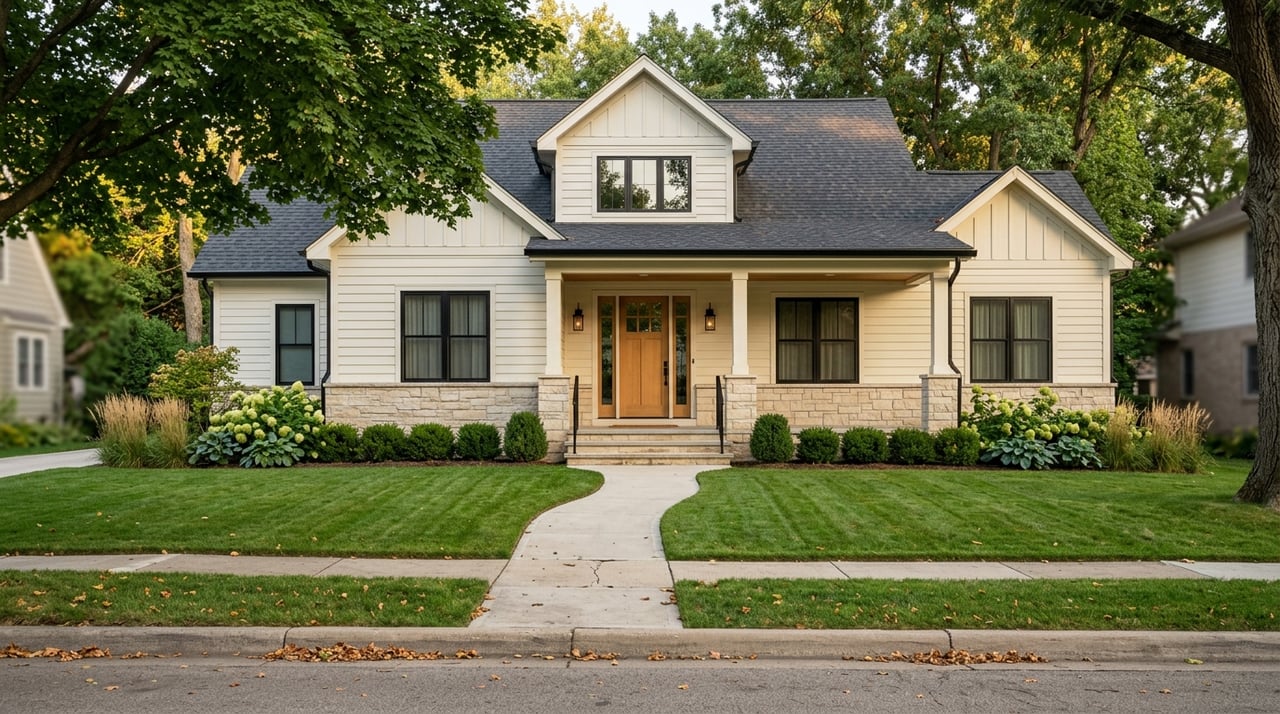
If you enjoy neighborhoods with architectural variety, Watertown has a distinct identity. The North Washington Street Historic District includes 108 single-family homes and two commercial buildings built from about 1849 to 1950, with styles such as Italianate, Second Empire, Queen Anne, American Foursquare, Craftsman, Craftsman Bungalow, Dutch Revival, and Tudor Revival.
The Clyman Street Historic District adds even more range, with homes dating from 1855 to 1928. Styles there include Gabled Ell, Italianate, Queen Anne, American Foursquare, Georgian Revival, Colonial Revival, Dutch Colonial Revival, and Prairie-style residences.
For buyers, that means Watertown is not a one-look market. Some homes may offer historic details and established settings, while others may reflect different eras, layouts, and maintenance needs. If you are comparing options, it helps to look closely at condition, updates, and long-term fit, not just curb appeal.
Downtown has real presence
Watertown’s downtown is a major part of its personality. The city says it has the longest historic downtown in Wisconsin, and it is also investing in a Rock River District development plan.
Architecturally, downtown developed along the Rock River and includes a strong concentration of Italianate buildings, along with Romanesque Revival, Beaux-Arts, and Queen Anne influences. In plain terms, the commercial core feels historic and layered rather than generic.
There is also visible support for keeping downtown active. The Watertown Main Street Program serves the downtown historic district and includes façade and sign grant support for businesses. If you are someone who values a maintained, established downtown, that ongoing investment matters.
Parks, trails, and outdoor access
Watertown’s outdoor setting is closely tied to the Rock River and the local park system. The city’s trails include the Interurban Trail, Tivoli Island, Brandt-Quirk Trails, and the Winter Wellness Loop.
These spaces help shape the lifestyle here. Whether you like walking, biking, spending time near the water, or simply having green space woven into your week, Watertown offers several ways to get outside without leaving town.
Riverside Park is one of the more prominent public spaces. The city notes that its gazebo is a popular venue for weddings, and it is also moving forward with a Riverside Park Inclusive Recreation Area project described as the first of its kind in the region.
The Rock River is a benefit and a factor
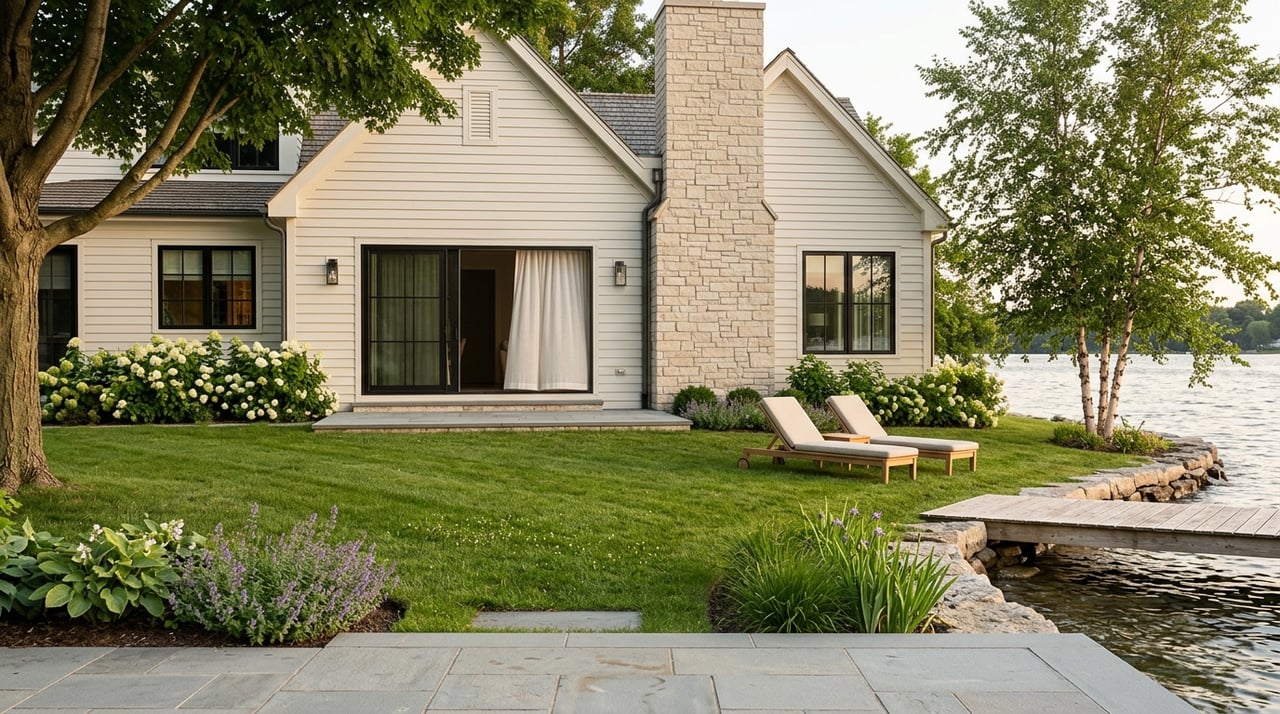
The Rock River adds a lot to Watertown’s setting. It contributes to the city’s character, downtown identity, and outdoor appeal.
At the same time, riverfront living comes with practical considerations. The city maintains floodplain resources and county flood maps, and an April 2026 city update reported widespread surface flooding, high-water no-wake conditions, and caution near the Rock River and its tributaries.
If you are considering a home near the river or in a lower-lying area, this is worth paying attention to early. A property’s location can shape insurance questions, long-term planning, and how you evaluate the lot beyond the house itself.
Getting around Watertown
Watertown is mostly car-oriented, but it does offer local transportation support. Watertown Transit operates a curb-to-curb ride-share taxi service 365 days a year within the city limits or within 2 miles, and handicap-accessible vehicles are available.
For regional travel, the city connects to state highways 16, 19, and 26. The city also says it is located midway between Milwaukee and Madison, which can be appealing if you want a smaller home base with access to larger regional hubs.
The city also lists a municipal airport among its resident resources. Taken together with the 24.6-minute mean commute, the transportation picture feels practical and flexible for many households.
Who may enjoy living in Watertown
Watertown can be a strong fit if you want a community with visible history, local amenities, and a pace that feels easier to manage. It may also appeal to buyers who like architectural character, established neighborhoods, and a downtown that still feels like part of daily life.
You may also appreciate Watertown if outdoor access matters to you. The parks, trails, and riverfront setting give the city a natural element that shapes more than just the view.
Like any move, the right fit depends on your priorities. If you are exploring homes here, it helps to think through commute patterns, property condition, lot location, and how much historic character or maintenance responsibility you want.
What to weigh before moving
Before you make a move, it is smart to look beyond headline price points. In Watertown, that can mean comparing older homes with newer options, evaluating how close you want to be to downtown or the river, and understanding how a home’s condition may affect your budget over time.
This is especially important in a market with both historic housing and active planning for future development. Two homes with similar square footage can offer very different ownership experiences depending on age, layout, updates, and location.
A practical, property-by-property approach usually serves buyers best here. When you understand both the lifestyle side and the condition side, you are in a much better position to make a confident choice.
If you are thinking about buying or selling in Watertown, local perspective can make the process feel a lot clearer. Rebecca Rundlett-Kauffeld brings practical guidance, strong local knowledge, and hands-on experience to help you evaluate homes, neighborhoods, and next steps with confidence.
FAQs
What is the general feel of living in Watertown, WI?
- Watertown feels like a compact small city with historic character, local amenities, manageable commute times, and a strong connection to parks and the Rock River.
What are housing options like in Watertown, WI?
- Watertown has a mix of owner-occupied and rental housing, with 62.0% owner occupancy, a median owner-occupied home value of $222,100, and median gross rent of $1,052.
What makes Watertown, WI different from other small cities?
- Watertown stands out for its historic neighborhoods, long historic downtown, varied architecture, active community programming, and riverfront setting.
Are there parks and trails in Watertown, WI?
- Yes. The city lists the Interurban Trail, Tivoli Island, Brandt-Quirk Trails, the Winter Wellness Loop, and public spaces like Riverside Park.
What should home buyers know about living near the Rock River in Watertown, WI?
- Buyers should know that the river is a major lifestyle feature, but floodplain awareness is important for homes near the river or in lower-lying areas.
Is Watertown, WI easy to get around from?
- Watertown is primarily car-oriented, with access to state highways 16, 19, and 26, plus a local curb-to-curb transit service that operates year-round.