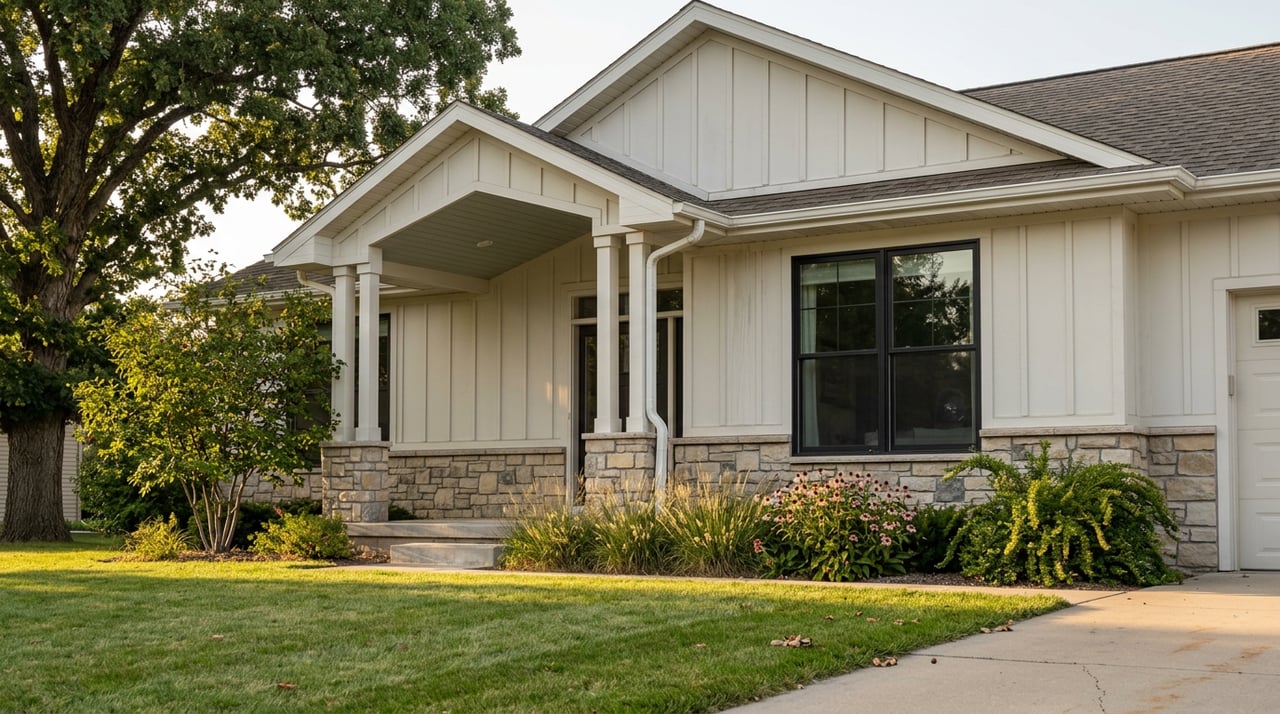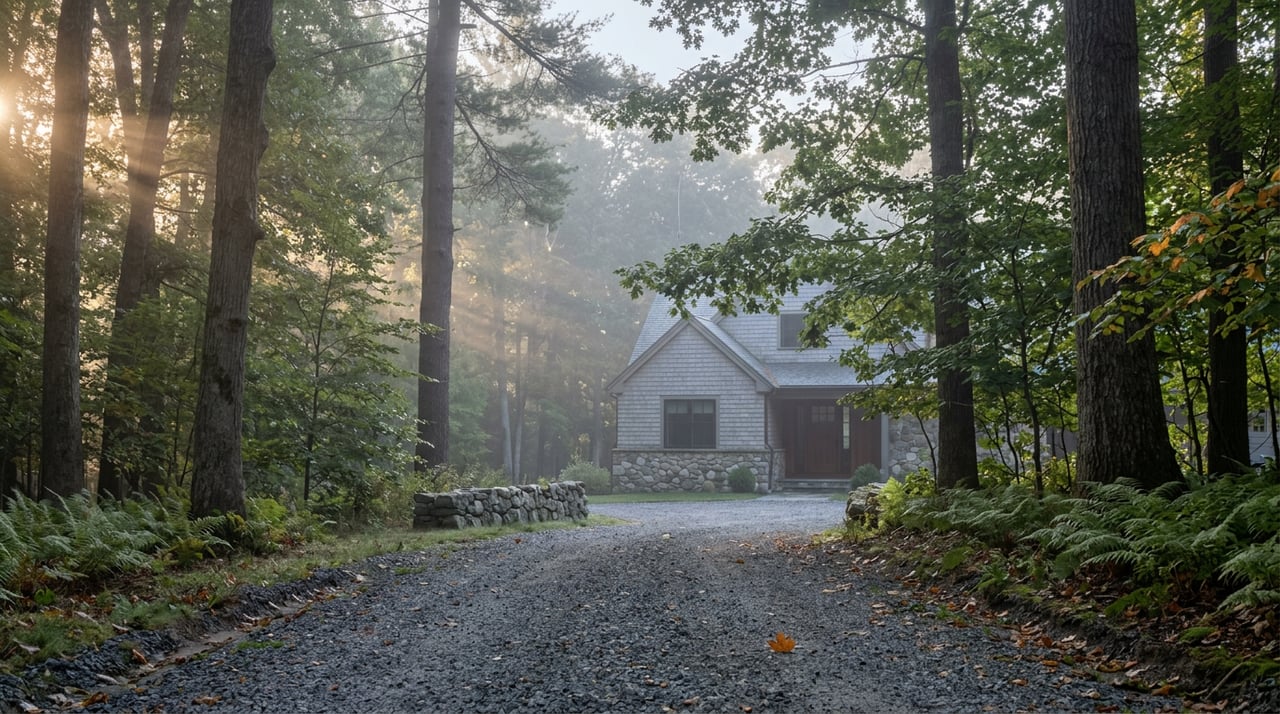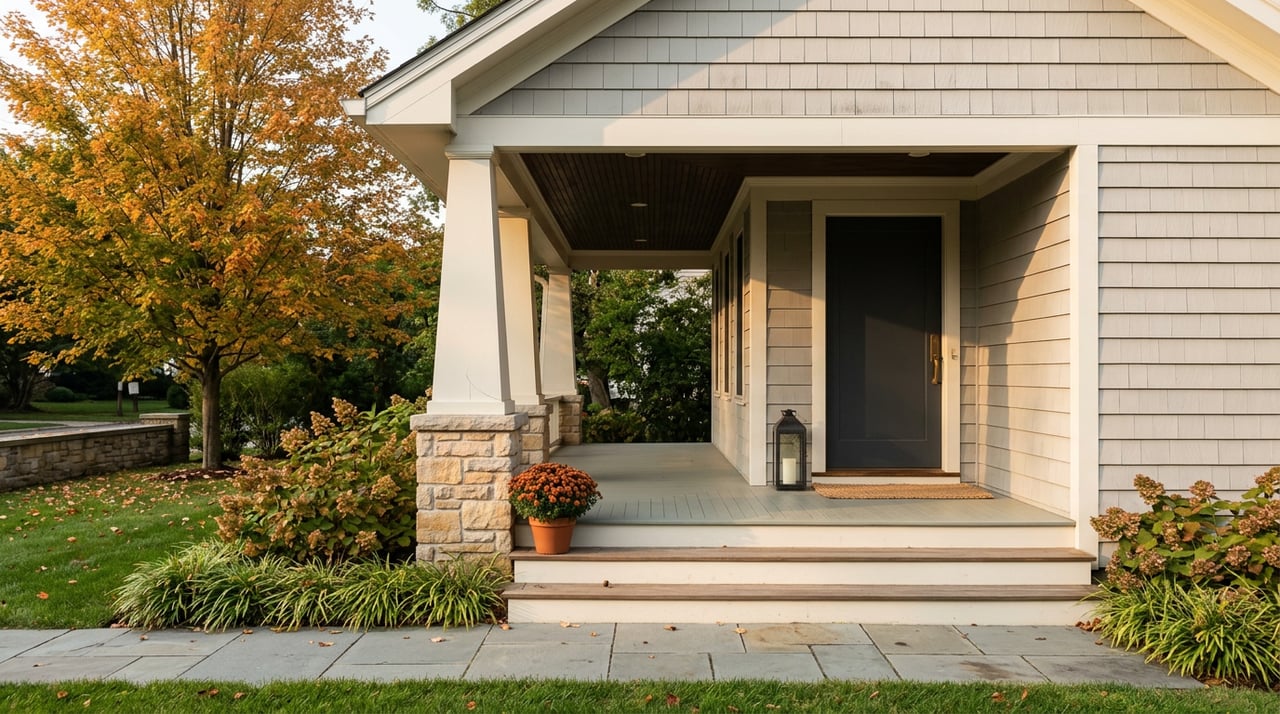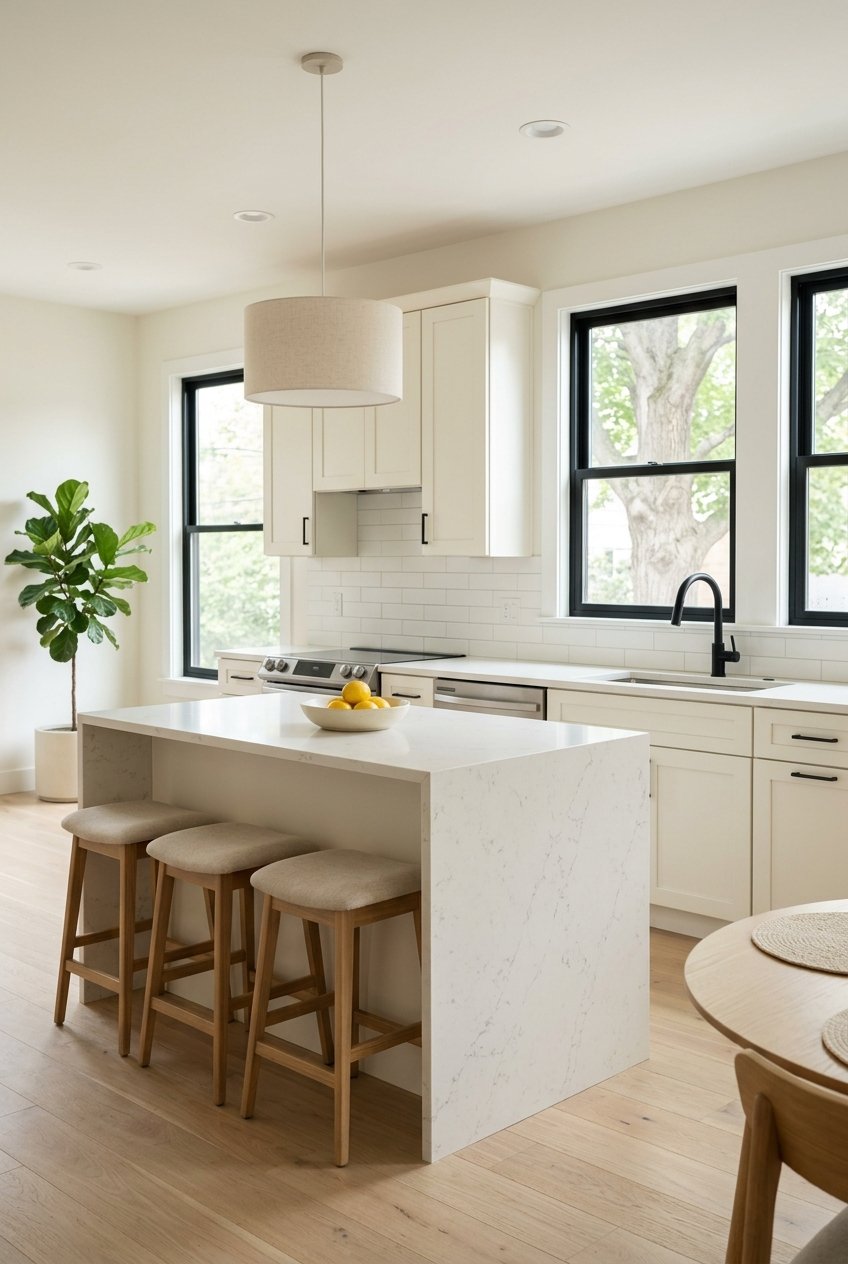
Buying your first home in Hartland can feel exciting and a little intimidating at the same time. Prices are high, competition can be real, and it is easy to focus on the listing price without seeing the full cost of ownership. This guide will help you understand what to expect in Hartland, how to budget wisely, and where to pay close attention so you can move forward with confidence. Let’s dive in.
Understand the Hartland market
Hartland is an owner-heavy community with a strong share of single-family housing. U.S. Census QuickFacts reports a median household income of $87,754, a median owner-occupied housing value of $393,100, and an owner-occupied housing rate of 62.5% for 2020 through 2024. That gives you a useful baseline, but it does not fully reflect today’s market pace.
Recent live-market trackers show much higher pricing. Redfin reported a median sale price of about $601,000 for the three months ending May 2026, Zillow reported an average home value of $676,884 as of June 30, 2026, and Realtor.com described Hartland as a seller’s market in June 2026. The practical takeaway is simple: if you are buying in Hartland, budget conservatively and expect pricing pressure.
Build a budget beyond the list price
One of the biggest first-time buyer mistakes is thinking only about principal and interest. In Hartland, you also need to plan for property taxes, closing costs, and a repair reserve from the start. That broader view helps you avoid becoming house-rich and cash-poor.
Wisconsin property taxes are based on assessed value, not fair market value. Tax bills can also include special assessments for public work like sewer, water, streets, alleys, or sidewalks. In Waukesha County, most municipalities use January 31 and July 31 installment due dates, so taxes should be treated as part of your ongoing monthly and annual cash flow.
If an installment is missed, the remaining taxes and any special assessments or charges can become delinquent, and interest and penalties may apply. That makes it especially important to leave room in your budget after closing. A home that looks affordable on paper can feel very different once taxes, maintenance, and utilities are added in.
Budget items to plan for
- Down payment
- Closing costs
- Monthly mortgage payment
- Property tax payments
- Homeowners insurance
- Repair and maintenance reserve
- Possible special assessments
Look into Wisconsin buyer assistance
If you are a first-time buyer in Hartland, WHEDA is one of the most important Wisconsin resources to know. WHEDA says eligible first-time buyers, target-area buyers, and veterans may be able to access a reduced-interest-rate option. It also offers down payment assistance programs that can be paired with WHEDA first mortgages.
WHEDA states that its Easy Close DPA can be used for down payment, closing costs, or single-payment mortgage insurance premiums. It can be up to 6% of the purchase price, and in many cases a WHEDA first mortgage plus down payment assistance can provide 100% financing. If you are trying to make your first purchase work without draining your savings, that can be worth exploring early in the process.
Know the housing mix in Hartland
Hartland’s comprehensive plan puts a strong focus on housing age, structural condition, value, and occupancy characteristics. It also emphasizes maintenance, preservation, and rehabilitation of existing housing stock. For you as a buyer, that means condition matters just as much as location and layout.
The same local planning documents identify one-unit detached homes as the largest share of current housing stock. In practical terms, many first-time buyers in Hartland may be comparing established single-family homes with attached homes, condos, or other options that offer different price points and maintenance needs. Some homes may also offer renovation potential, which can be a plus if you are prepared for the work and cost.
Pay close attention to home age and condition
A home can look great online and still come with costly surprises. Wisconsin’s Uniform Dwelling Code applies to one- and two-family dwellings built since June 1, 1980. That makes older homes especially important to review carefully during inspections and document review.
If a home was built before 1978, federal law requires lead-based paint disclosure. Buyers also receive a 10-day period to inspect for lead-based paint or hazards unless that period is waived. Wisconsin DHS repeats that same 10-day inspection or risk-assessment period, so be sure you understand what that means before you write or accept deadlines.
This is where practical property guidance matters. If you are looking at an older Hartland home, you want to think beyond cosmetic finishes and ask how the age of the home affects systems, upkeep, and future costs.
Write offers with the right contingencies
In Wisconsin, offers often come down to deadlines and contingencies. The Offer to Purchase may be accepted, rejected, or countered, and common contingencies include financing and professional home inspection. Depending on the property, the offer may also include contingencies for the sale of your current home, a survey, septic or well testing, or seller occupancy after closing.
If the property has a septic system, well, or other special infrastructure, bring that into your offer strategy from the beginning. These are not small details to figure out later. They can affect both your comfort level and your future expenses.
Common Wisconsin contingencies
- Financing contingency
- Professional home inspection contingency
- Septic inspection
- Well inspection
- Survey contingency
- Sale of buyer’s current home
- Seller post-closing occupancy
Treat inspections as a tool, not a formality
A first-time buyer should never treat the inspection as just another box to check. Wisconsin guidance is clear that buyers should not rely only on the seller’s condition disclosures to uncover defects. Owners of most one-to-four unit residential properties must provide a Real Estate Condition Report, but that report is not a substitute for a real inspection.
If the inspection reveals defects, the next step is usually negotiation, not panic. Wisconsin guidance notes that parties may renegotiate repairs or credits after inspection findings. That gives you room to make a thoughtful decision instead of reacting emotionally.
The inspection contingency can also be written with or without a seller right to cure defects. That detail matters because it can shape how repair issues get resolved. If you are unsure what a contingency means in practice, ask questions before you sign.
Do not forget radon
Radon deserves separate attention. Wisconsin legal commentary has noted that radon is often mishandled when it gets buried inside a general inspection contingency. If radon testing matters to you, it should be discussed clearly and early so the timeline and testing terms are not left vague.
Plan for closing and after-closing tasks
Closing day is a big milestone, but it is not the end of the paperwork. After you buy, property taxes and assessment questions can quickly become part of homeownership. Waukesha County’s Treasurer manages property tax records, and most municipalities use the January 31 and July 31 installment schedule.
If you have questions about your assessed value, Wisconsin’s Department of Revenue says the Open Book period is the time to discuss it with the assessor before any Board of Review appeal. That is worth knowing because taxes are based on assessed value, not fair market value. For a first-time owner, understanding that system can help you avoid confusion when your tax bill arrives.
Some buyers may also want to look into Wisconsin’s Homestead Credit. The Department of Revenue says this program is designed to soften the impact of property taxes and rent on lower-income households, with the benefit varying based on household income and property tax liability. It will not apply to everyone, but it is one more item to keep on your post-closing checklist.
A smart first purchase starts with clear eyes
Your first home in Hartland does not need to be perfect to be a smart buy. What matters most is that the numbers work for your life, the condition makes sense for your comfort level, and the offer protects you where it should. In a market like Hartland, steady guidance and careful planning can make a big difference.
If you want help weighing value, condition, renovation potential, and the real costs behind a home, working with someone who understands both the transaction and the property itself can give you a stronger footing. When you are ready to take the next step, connect with Rebecca Rundlett-Kauffeld for practical, personalized guidance in Hartland and across southeast Wisconsin.
FAQs
What makes Hartland challenging for first-time homebuyers?
- Hartland is a relatively high-cost market, and recent live-market pricing has tracked far above older Census housing values, so buyers need to budget for competition, taxes, and ongoing ownership costs.
What should a first-time buyer budget for in Hartland, Wisconsin?
- In addition to the mortgage, you should budget for down payment, closing costs, property taxes, homeowners insurance, possible special assessments, and a repair reserve.
What first-time homebuyer programs are available in Wisconsin?
- WHEDA offers reduced-interest-rate options for eligible first-time buyers, target-area buyers, and veterans, plus down payment assistance that may be used for down payment, closing costs, or certain mortgage insurance costs.
Why do home inspections matter in Hartland home purchases?
- Inspections matter because Hartland buyers may be considering older homes or homes with maintenance needs, and Wisconsin guidance says you should not rely on the seller’s condition report alone to uncover defects.
What contingencies should Hartland buyers consider in an offer?
- Common Wisconsin contingencies include financing, professional inspection, and, depending on the property, survey, septic or well testing, sale of your current home, or seller occupancy after closing.
What should buyers know about older homes in Wisconsin?
- For one- and two-family dwellings built before June 1, 1980, extra diligence is important, and for homes built before 1978, lead-based paint disclosure rules and a 10-day inspection period may apply unless waived.
When are property taxes usually due in Waukesha County?
- For most municipalities in Waukesha County, property tax installments are due January 31 and July 31.
What is the Wisconsin Open Book period for property taxes?
- The Open Book period is the time when you can discuss your assessed value with the assessor before any Board of Review appeal.