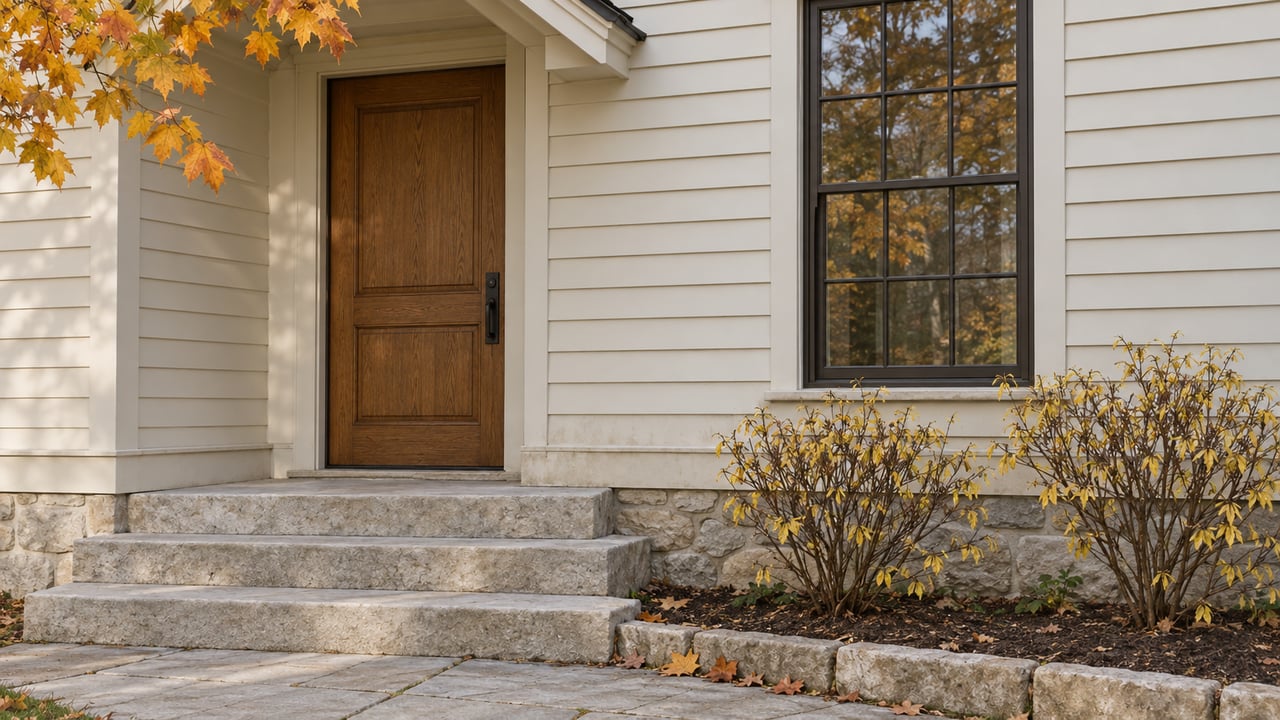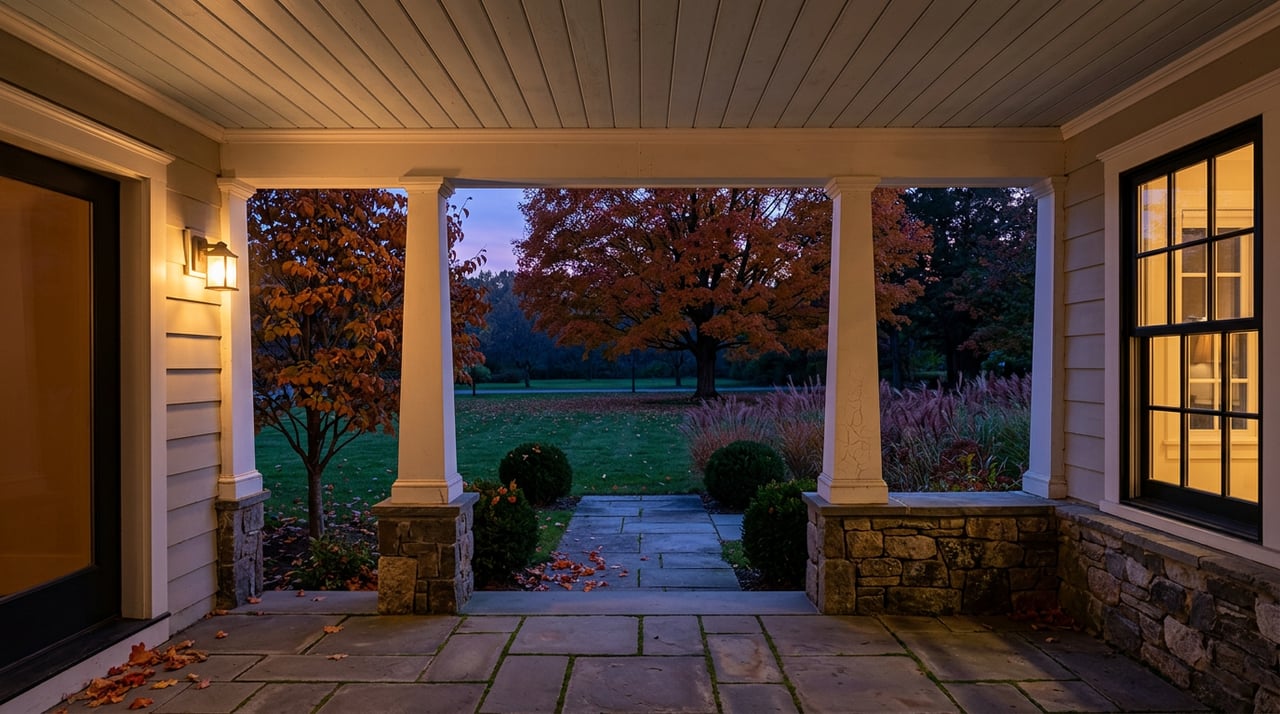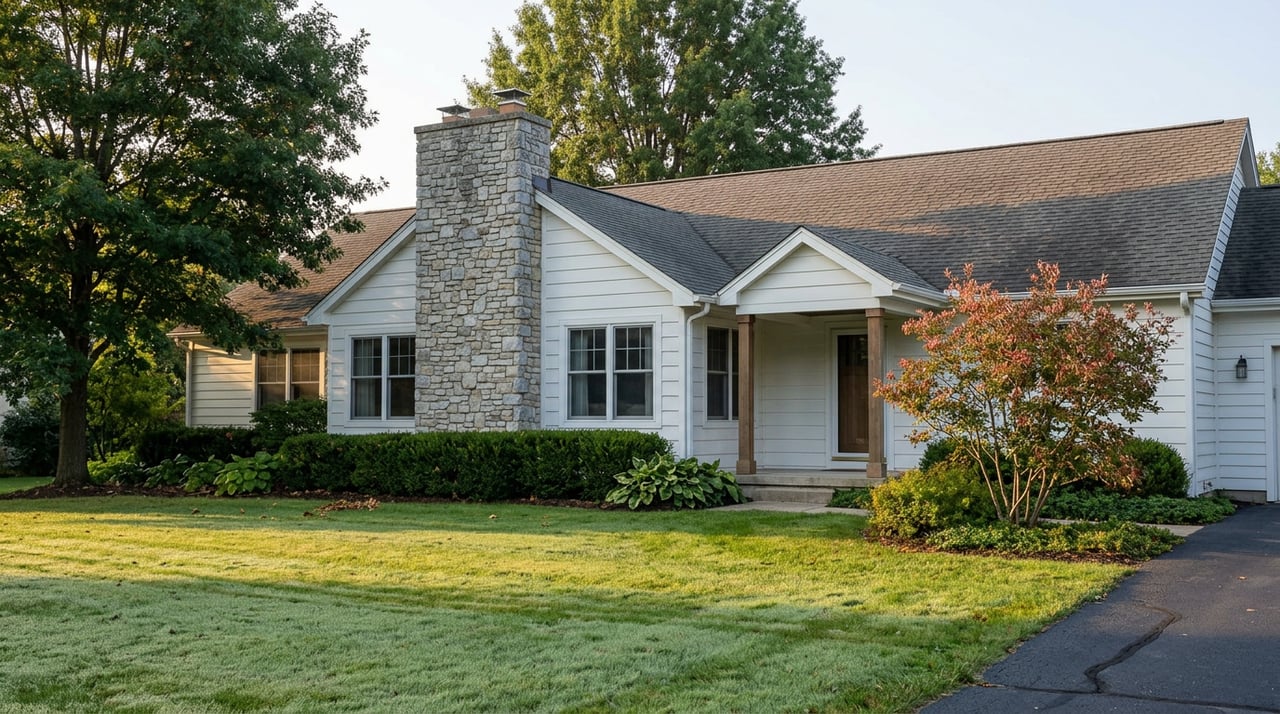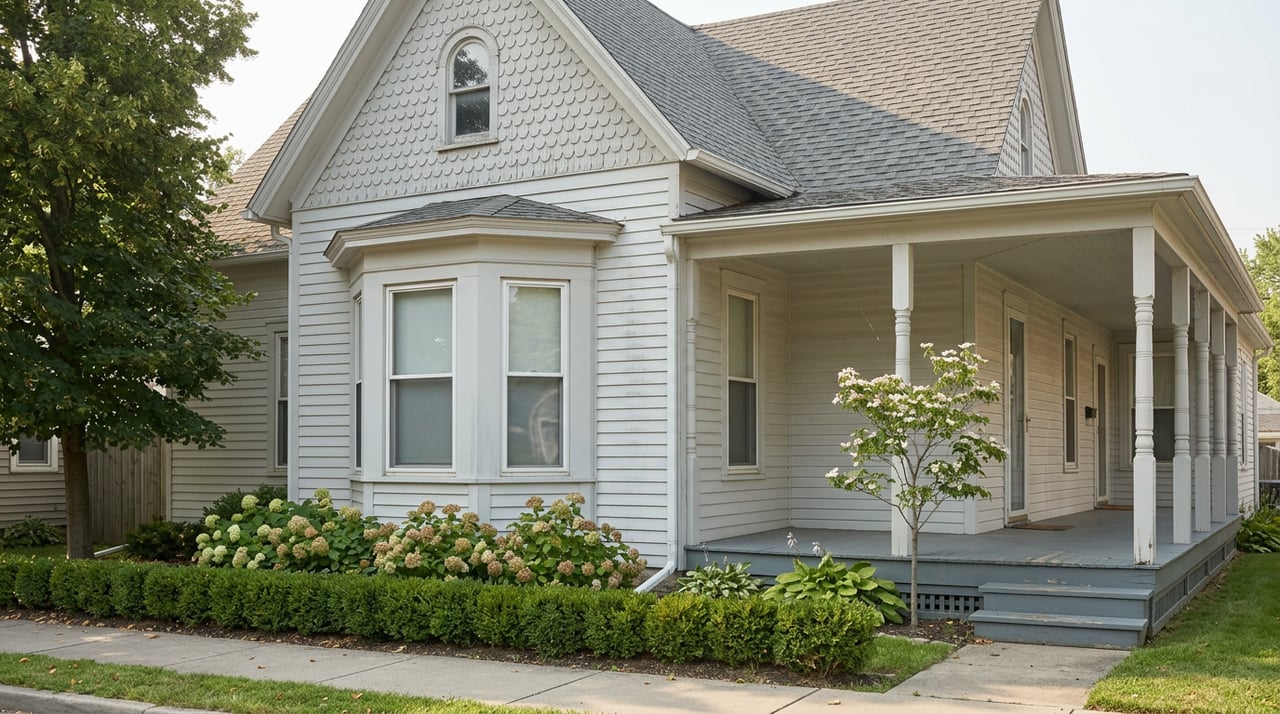
Picture the walk-through. You're standing in a front room on Clyman Street, looking at the original woodwork around a bay window, maybe the same window trim that's been there since some Watertown merchant built the place in the 1890s. The agent is talking about the original hardwood floors. Your eye keeps drifting to the crown molding. Nobody in the room is thinking about the electrical panel in the basement, and that's the problem, because in a Watertown historic district home, the panel is often the thing that decides whether this purchase actually closes the way you expect it to.
Buyers in Clyman Street and Richards Hill tend to prepare for the wrong gatekeeper. They assume the city's historic preservation rules are the friction point, the thing that will slow them down or limit what they can do to the house. In practice, the Historic Preservation Commission mostly stays out of your way once you own the place. The real test comes later, from an insurance underwriter you haven't met yet, looking at a wiring system nobody walked you through during the showing.
What the city actually reviews, and what it doesn't
Watertown's Historic Preservation Commission exists to protect and safeguard the city's historic sites and districts, and its job is narrower than most buyers assume. It reviews proposals for construction, renovation, and demolition, and it issues certificates of appropriateness, which mostly govern what a house looks like from the street. Roof lines, window replacements, additions visible from the sidewalk, that kind of thing.
What it does not do is inspect your wiring, your plumbing, or your panel. Nobody from the city is going to flag the knob-and-tube circuit still feeding the back bedroom. That's not their scope, and it's easy to walk away from a conversation about historic district rules thinking you've covered the risk, when you've only covered the part of the risk that's visible from the curb.
The Clyman Street Historic District runs roughly through the 500 to 900 blocks of Clyman Street and 6th to 9th Streets, built out between 1855 and about 1929. That's not a coincidence of dates. It's the exact window when knob-and-tube wiring was standard practice, and later, cloth-covered NM cable took over as the next generation of "modern" wiring, which brought its own set of problems. Homes in this district, including the 1855 Theodore Prentiss House on Clyman, built for Watertown's first mayor, and the 1922 Colonial Revival at 914 Clyman, sit squarely in that era. Richards Hill tells a similar story, with a mix of bungalows, Tudor Revival homes, and Federal-style houses, plus several kit-built homes from the 1910s and 1920s, all dating from before wiring codes looked anything like they do today.
What's actually behind the plaster
Knob-and-tube wiring uses ceramic knobs and tubes to route ungrounded copper conductors through open air, a system that made sense for a house running a few light fixtures and not much else. It has no ground wire, which means it has no built-in path for stray electricity to go anywhere safe. Most major insurers in Wisconsin will decline to write a policy on a home with active knob-and-tube wiring, and the ones that will often charge noticeably more for it.
The National Electrical Code also prohibits covering knob-and-tube wiring with thermal insulation in walls, ceilings, and attics, precisely because insulation traps heat against wiring that was never designed to handle it. If an inspector finds knob-and-tube buried under insulation, that's a reportable problem in most jurisdictions, not a footnote.
Here's the part that catches people off guard. A lot of these houses have been partially updated over the decades. There's a newer breaker panel in the basement, which reads as reassurance. What often actually happened is that panel got tied into some of the original knob-and-tube circuits rather than replacing them outright, so the visible upgrade coexists with the old wiring still running to an attic or a back room nobody's opened a wall in for sixty years. The buyer sees a modern panel and assumes the electrical story is finished. The insurance underwriter, looking at the same house a few weeks later, sees something else entirely.
What it actually costs to find out, and to fix
Before you write an offer on a home in either district, a licensed electrician's evaluation is the cheapest insurance you'll buy all year, and it tells you what you're actually negotiating with.
| Step | Typical cost | When it usually happens |
|---|---|---|
| Licensed electrician evaluation | $200 to $500 | Before or during underwriting |
| Full rewire, single-story home, 1,200 to 1,800 sq ft | $8,000 to $15,000 | After inspection, before or shortly after closing |
| Full rewire, larger or multi-story home | $15,000 to $30,000 or more | Same |
That evaluation is different from a standard home inspection. It goes into the attic, the basement, and wall cavities specifically to trace which circuits are still live and which have already been abandoned. Insurers and lenders want that documentation, not a verbal summary from a walk-through. If you get the report before you're deep into negotiations, you have real numbers to bring to the table, whether that means asking for a credit, asking the seller to handle the rewire, or simply going in with your eyes open about what the first year of ownership actually costs beyond the mortgage payment.
The river tells you more than the tour brochure does
Watertown splits along the Rock River, and that split maps onto wiring risk more directly than most buyers realize. The historic downtown corridor, running roughly from Washington Street to 7th Street, holds Queen Anne and Dutch Colonial homes from the 1800s, many since converted into multifamily units. West of the river, the architecture shifts to something more modern. If you're touring homes on both sides in the same afternoon, that contrast isn't just aesthetic. It's a rough proxy for which houses are more likely to carry original wiring and which aren't.
None of this means historic district homes are a bad buy. Watertown's median home price has generally run below that of nearby Oconomowoc, which is part of what makes the older stock here attractive to buyers who want square footage and character without a lake-town premium. It just means the price on the listing sheet isn't the full price of ownership until you know what's behind the walls.
If you're touring Clyman Street or Richards Hill this construction season, you'll also notice the city is mid-project on several nearby streets, including a 2026 reconstruction of S. Fifth Street between Clyman Street and its terminus. Worth knowing before you schedule a showing, since access and street parking near the district may shift week to week through the season.
Building the rewire into the offer, not the moving budget
The buyers who come out ahead on these houses are the ones who treat the electrical question as part of the purchase decision, not a surprise that shows up in an underwriting email three weeks after they've already mentally moved the furniture in. That means getting the electrician's evaluation early, understanding whether you're looking at a partial fix or a full rewire, and building that number into your offer rather than your first year's budget.
This is exactly the kind of practical, condition-first thinking that comes from having actually done renovation work rather than just marketed it. Knowing what a rewire costs, what an insurer will and won't accept, and how to read a house's age against its wiring history is the same skill set that goes into judging a fixer-upper's real value versus its asking price. It's not a separate service. It's part of representing you well on a house like this from the first showing through closing.
A few questions worth asking before you tour
Does the city's historic district review cover electrical or plumbing systems? No. The Historic Preservation Commission's certificate of appropriateness process governs exterior changes, things visible from the street. Interior systems fall entirely outside its scope.
Can I still get homeowners insurance if the house has knob-and-tube wiring? Sometimes, through a specialty carrier willing to write a policy based on a licensed electrician's condition report, but expect a higher premium and expect most mainstream insurers to decline outright.
Is every home in Clyman Street or Richards Hill affected by this? Not every one, since some have already been fully rewired over the decades. The point is you can't tell from the curb, and the only way to know is to ask before you're deep into a purchase contract.
If you're weighing a historic home in Watertown against something newer, or trying to figure out what a fixer-upper on Clyman Street would actually cost to bring current, that's the kind of conversation worth having early. Premier Choice Realty works these neighborhoods with a contractor's eye for what's behind the walls, not just what's on the listing sheet, plus a home warranty included on your purchase and a custom painting to welcome you home once the keys are yours. Let's Connect.